Components of hydronic floor heating systems
Hydronic floor heating systems are composed of three primary components:
-. Heating source
-. Heating panels
-. Hydronic manifolds, thermal controller, and related accessories.
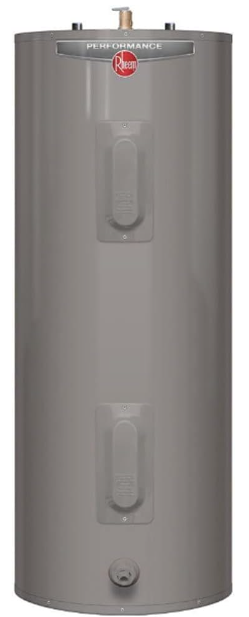
Heating sources include gas or electric tankless water heaters, gas or electric tank water heaters, and air-to-water heat pumps. These units supply heated water to individual zones through hydronic manifolds. Air-to-water heat pumps can also provide cooled water when paired with hydronic fan coil units.
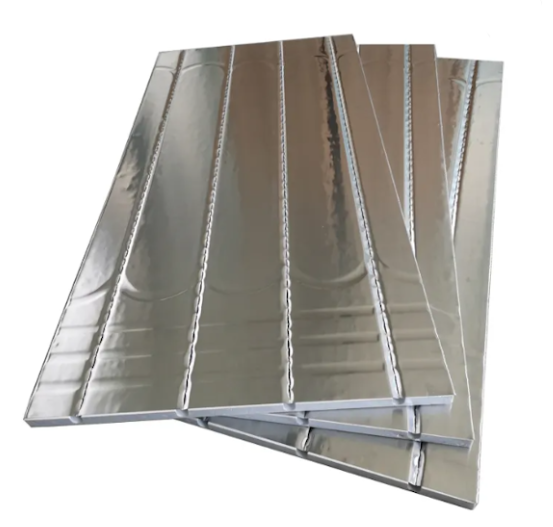
Heating panels are available in various types. Each designed to hold heating pipes within or beneath floor structure. Some are engineered for rapid heat transfer to the floor surface, while others are designed to retain and release heat more gradually. Regardless of types, all heating panels must provide strong and stable support the finished flooring.
Manifolds and thermal controllers operate between heating panels and heating source. Manifolds distribute heated water to individual heating zones, while thermal controllers regulate on/off operation of heating source to maximize energy efficiency. Zone-valve controllers are used to open and close zone valves as required.
In general, finished flooring is home owner’s responsibility. Namu Floor Heating recommends SPC flooring with a thickness greater than 7 mm. Tile flooring may also be installed, depending on heating panel used.





Protype Configuration of Floor (Spacing) Heating w/ Google Nests
- Spacing Heating Only -
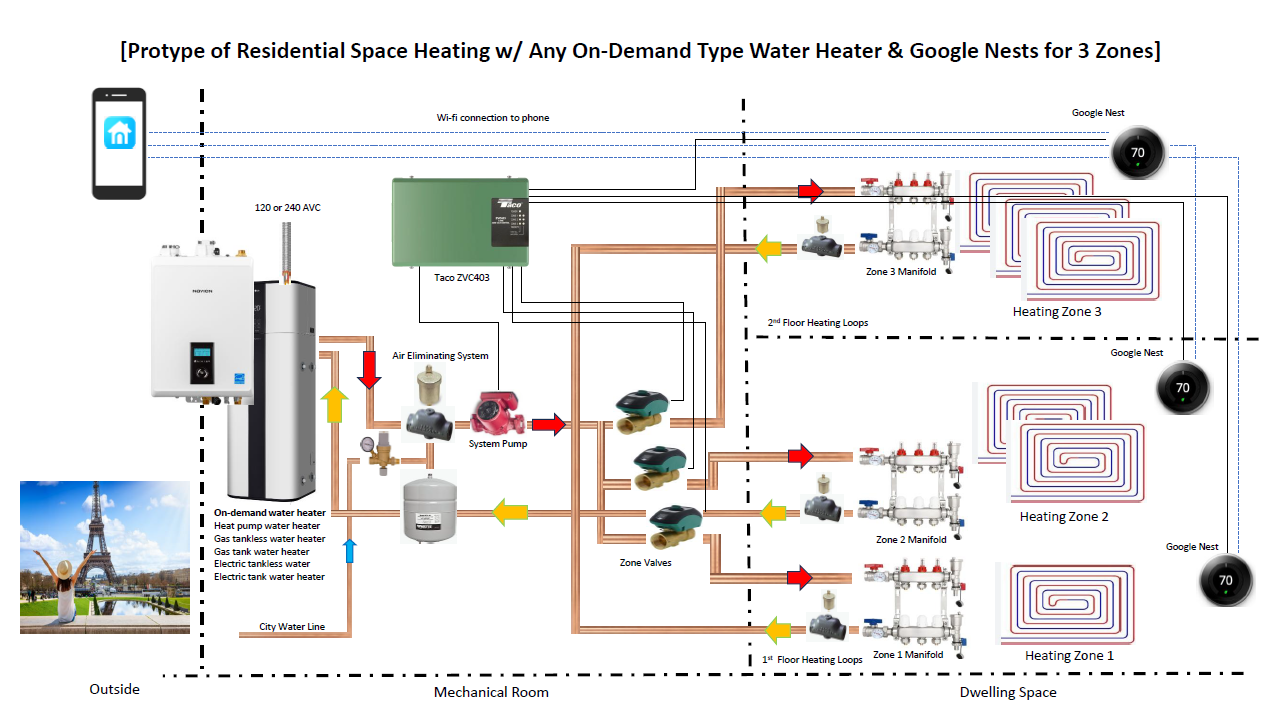
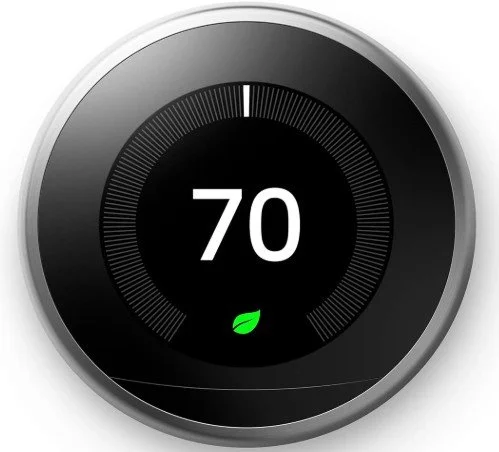
It is a protype configuration for hydronic floor heating systems. It provides any-time/location control to your spacing heating system with Google Nest. Including heat pump water heaters, any on-demand type water heaters could be used as heating source. It is spacing heating only. For domestic hot water, a separate water heater required. Any number of heating zones could be set up. Each heating zone is controlled by its own Google Nest. The Google Nest mobile application allows users to manage multiple thermostats from one interface. A single heating zone may consist of multiple hydronic heating loops.
Configuration of Floor Heating w/ Navien NCB Gas Boiler
- For Both Floor Heating and DHW -

This is the most common configuration for floor heating systems. It provides both floor heating and domestic hot water. Up to three heating zones can be established, with each zone controlled by its own Google Nest thermostat. The Google Nest mobile application allows users to manage multiple thermostats from one interface. A single heating zone may consist of multiple hydronic heating loops. Navien NCB boilers support up to three independent heating zones.
Configuration of Floor Heating w/ Navien NHB Gas Boiler
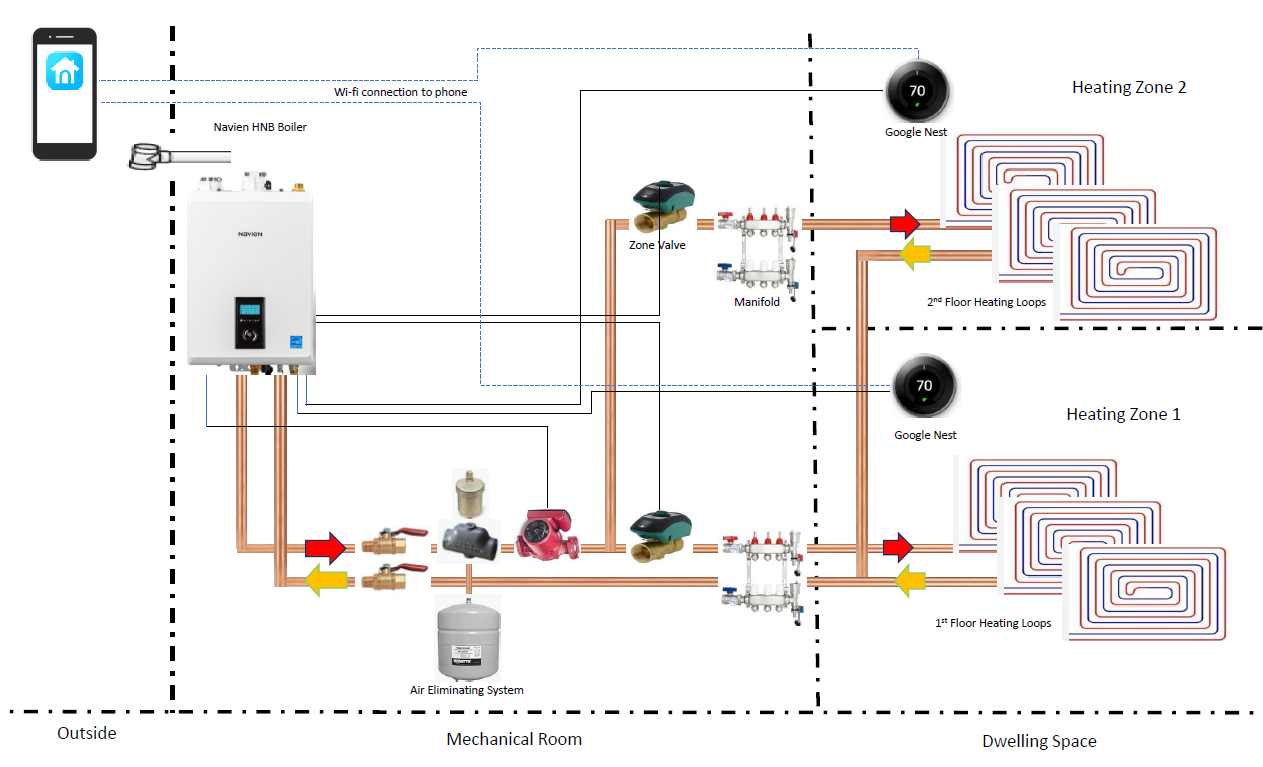
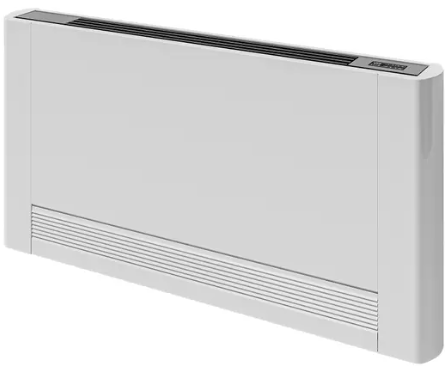
This configuration is designed exclusively for space heating and utilize the high-efficient Navien NHB boilers. The NHB boilers support up to three heating zones internally. Hydronic fan coil units, such as Myson iVector, may be integrated to provide rapid air heating. Fan coil units, such as the iVector, are designed for both heating and cooling when integrated with air-to-water heat pumps.
Configuration of Floor Heating w/ Heat Pump Water Heater

Heat pump water heaters, such as LG 58/80 Gallon Inverter Heat Pump Water Heater Monobloc, are used as the heating source. No external unit or vent is required. Some heat pump water heaters, such as LGs, feature a twin-inverter compressor that operates very quietly. LG units also include internal electric heating elements with automatic and dual operating modes. These elements can function like a traditional electric water hater when needed, insuring that there is no concern about hot-water shortages. Federal and local government offer rebates for energy-efficient air-to-water heat pump water heaters.
Configuration of Floor Heating w/ Heat Pump

Air-to-water heat pumps, such as the LG Monobloc, are used as the primary heating source. An electric heat pump water unit may be needed to insure consistent supply of hot water. Hydronic fan coil units, such as the Myson iVector, can be integrated to provide rapid air heating. This configuration supports up to three heating zones.
Configuration of Combined Space Heating/Cooling w/ Heat Pump

By nature, air-to-water heat pumps support both heating and cooling, and this configuration utilizes both functions. During the heating season, the heat pump supplies hot water to both the heating panels and the fan-coil units for heating the floors and air. During cooling season, it provides chilled water to the fan-coil units only for cooling the air. The currently available operating modes are:
-. Floors: heating only
-. Fan-coil units: heating and cooling
Floor Heating Applications for Residential Homes (1/4)
- A Single Floor w/ Multiple Heating Zones; Gal/Electric Tank Boiler -
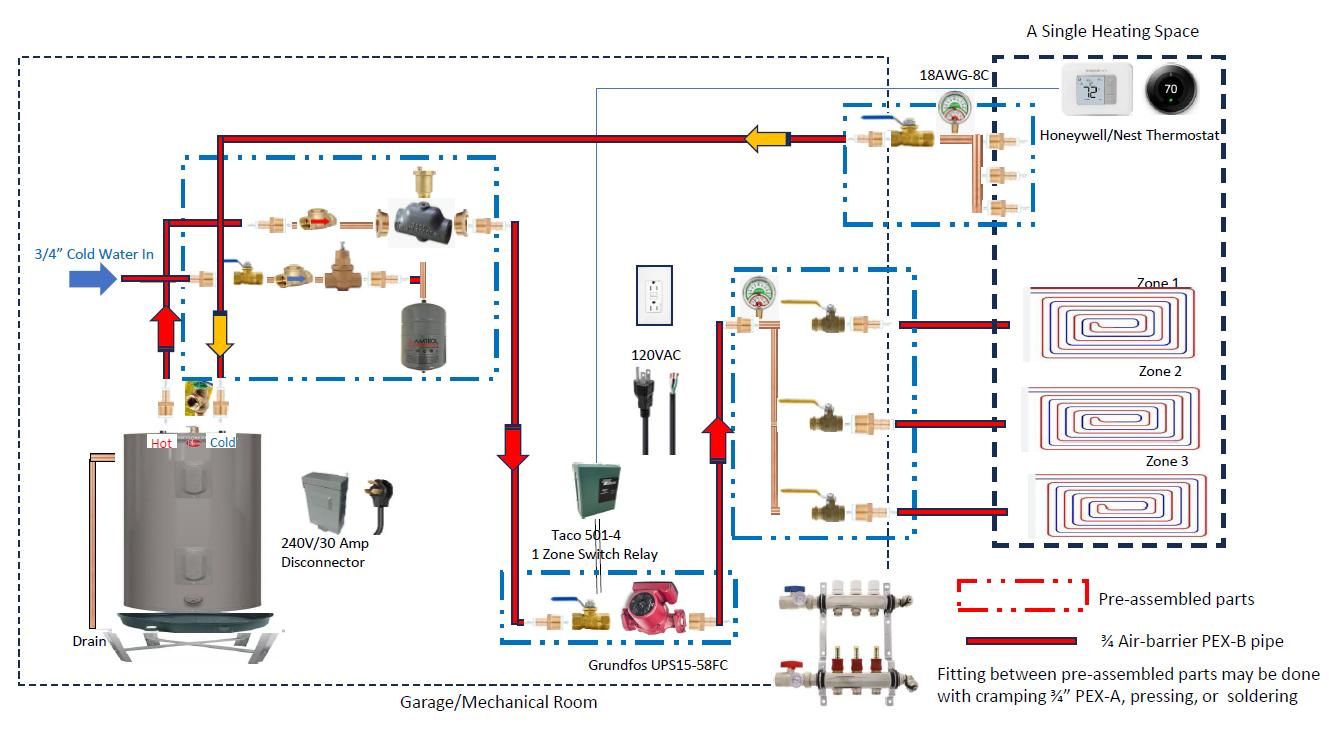
This application consists of a gas or electric tank water heater, a hydronic manifold, a zone-switch relay, and multiple heating zones on a single floor. The zone-switch relay controls the boiler’s on/off operation, and activates the system’s circulating pump when hot water circulation is needed. The hydronic manifold serves multiple hydronic loops. Multiple hydronic loops may be installed within a single heating zone, such as a bedroom. A Google Nest or a Honeywell thermostat can be used to control each individual heating zone. Home owners will need one thermostat per zones. This application:
-. Simple and easy to install and maintain
-. Is best suited for small, single-floor homes
-. Supports Wi-Fi connectivity
Floor Heating Applications for Residential Homes (2/4)
- A Single Floor w/ Multiple Heating Zones; Navien Combi Tankless Boiler -
This application is suitable for small to medium-sized, single-story homes. It consists of a Navien NCB combi tankless water heater, a hydronic manifold, a Namu thermal controller, and multiple heating zones on a single floor. The Namu thermal controller turns the boiler on or off and opens or closes the valves in the manifold. The Navien NCB boiler automatically activates the system’s circulating pump when needed. Domestic hot water (DHW) is prioritized over pace heating. This application:
-. Is simple and easy to install and maintain
-. Allows convenient control of individual room temperatures
-. Is ideal for small to medium-sized, single floor homes
-. Supports for both domestic hot water and space heating

Floor Heating Applications for Residential Homes (3/4)
- Multiple Floors w/ Multiple Heating Zones; Navien Combi Tankless Boiler -
This application is ideal for homeowners with two- or three-story homes who want to control the temperature on each floor. It consists of a Navien combi boiler, two or three Namu thermal controllers. Navien NCB combi boilers support up to three heating zones, which typically correspond to the number of floors in the home. Because each floor is controlled as a separate zone, there is no need to install a thermostat in every individual room. Domestic hot water (DHW) takes priority over space heating. This application:
-. Is best suit for two- or three-story homes.
-. Is cost-effective.
-. supports both DHW and space heating.
-. Includes multi layers of air elimination systems.

Floor Heating Applications for Residential Homes (4/4)
- Multiple Floors w/ Multiple Heating Zones; NHB Tankless Boiler -
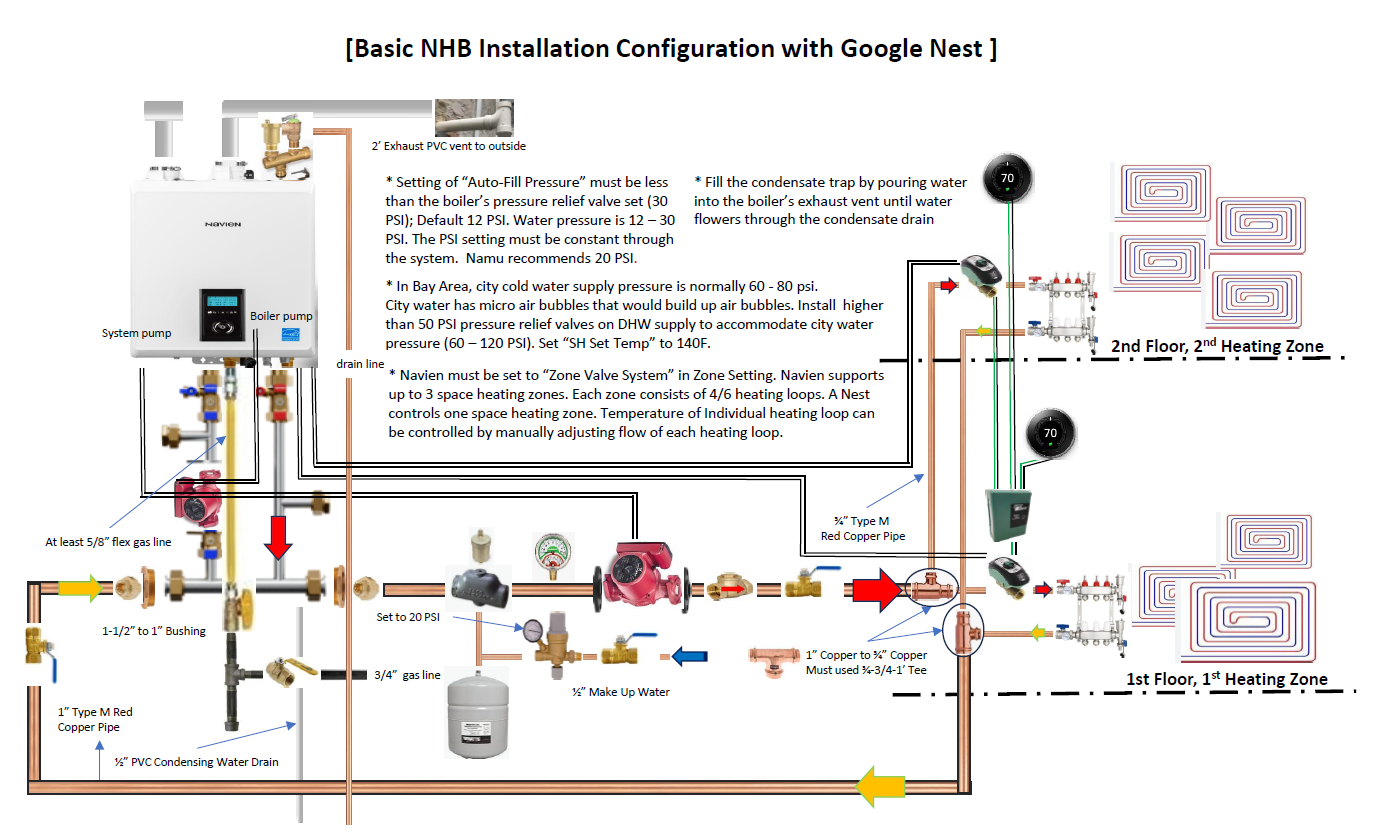
This application differs slightly from others above in terms of the components used. All parts in the application are ‘made in U.S.A.’ This application supports up to three space heating zones, with each zone representing a floor. Number of Google Nest thermostats correspond to number of heating zones. The Navien NHB boilers feature an industry-leading AFUE of 95% and turndown ratios up to 15:1. This application:
-. Is designed for space heating only.
-. Provides faster response to changing heating demands.
-. Use Google Nest thermostats.
-. Offer convenience in source replacement parts.

Hybrid Hydronic Floor Heating Systems

The hybrid hydronic heating system combines hydronic floor heating and hydronic air heating. The system eliminates the main disadvantage of a forced- air heating - dry air- while also addressing the primary limitation of traditional hydronic floor heating and cooling, which is slow temperature response. Gentle airflow from the hydronic fan coils quickly warm the living space, while the floor heating maintains stable, constant floor temperature. In addition, the clean, dust-free floor helps reduce carpet-related allergies, creating healthier environment for your loved ones.
Namu Floor Heating has extensively researched and developed hybrid hydronic heating systems. This innovative solution is especially well-suited for air-to-water heat pump applications. Our hybrid hydronic systems provide a cozy, allergy-free, and energy-efficient living space.


The HOYA ONDOL system was developed to bring the comfort of traditional Korean ondol floors into modern residential homes. HOYA ONDOL delivers a cozy living space. The elvan stone panels were created through co-research with KIST (Korean Institute of Science and Technology) to adopt the traditional Korean ondol concept to contemporary living spaces.
HOYA ONDOL panels are made from eco-friendly carbon composite materials combined with elvan stone powder, and they are fully reusable. The system can also reduce energy consumption by up to 30%.


Hoya Ondol Component Layers
Specifications of Hoya Ondol Components


Specialized Boilers & Thermoregulators for Namu Hydronic Heating System

Navien Tankless Combi Boilers
Navien’s NCB-H condensing combi boilers offer industry leading DHW features including the highest maximum BTU/h for DHW (210,000), highest flow rate of 5.4 GPM at 70° F rise and a DHW turndown ratio of 15:1.
Highest DHW flow rate @ 70°F rise...
up to 5.4 GPMHighest number of BTU sizes for
the North American residential
combi-boiler marketHighest residential combi DHW TDR...
15:1 for all models
Highest residential combi heating
TDR... up to 11:1Highest number of built-in zone controls for valves or pumps... up to three
Highest full lineup 2" PVC venting lengths... up to 65 feet
Highest number of cascade capable
units with NPE tankless water heaters... up to 15High altitude certification... up to 10,100 feet (NG or LP)
Lowest minimum fire BTU for residential combi-boilers... as low as 10,700
Navien NHB condensing heating boiler is the most advanced condensing fire tube boilers in the industry, and now with more heating capacity for any size home.
• Good for small & large homes
• Low noise
• Up to 15:1 turndown ratio
• Built-in capability for multiple zones
• Wi-Fi compatible
• Expandable via cascading technology
Installation of Hoya Hydronic Heating System for a Whole House
Step 1: Preparation for installation
Plan the optimal layout for the floor-heating pipes
Hoya’s elvan stone panels are a rather firm material. Therefore, a fairly even surface is required.
Clean the floor to insure a smooth, even surface.
Lay the insulation sheets. Two layers of insulation are strongly recommended for improved heating performance.
Tape all overlapping seams tightly to prevent cold air from entering beneath the floor.

Step 3: Install the PEX(PE-RT) Pipe
Roll out the pipe and press it into the channels of the bottom panels
Uncoil the pipe to prevent twisting or kinking
Avoid making excessively tight turn, as this may kink the pipe.
Ensure a hydronic loop begins and ends at the manifold without connection in the middle.

Step 05: Connect PEX Pipes and Flow Controllers to Distributor, and Connect the Distributor to the Boiler
Connect the 16mm (1/2 inch) PEX pipes to the distributor(distribution manifold) using coupling sockets.
Install actuators onto the coupling sockets.
Insert thermal sensor probes into the installed actuators.
Connect the flow manifold to the hot water outlet of the boiler.
Connect the return manifold to the return inlet of the boiler.





Step 2: Install the bottom panels
Begin laying the panels side by placing side by side along the walls, oriented in the most appropriate direction for the room.
Continue installing the panels across the remaining floor area, ensuring each panel is properly aligned and securely positioned.

Step 4: Install the top panels of HOYA ONDOL
Snap-fit the top and bottom panels together
Use the rubber mallet hammer to make the process easier
Ensure all the male clips on the top panels are securely engaged with the female clips on the bottom panels.

Step 06: Configuration of Thermoregulator and Room Temperature Controller
This installation step requires comprehensive knowledge of thermoregulators and general boiler systems. It should be performed by a highly skilled and licensed contractor.
Purge air in the pipes and the boiler. Navien boilers have the function of auto-purging function; however, we strongly recommend manually purging air from the entire system as well.
Initialize the thermoregulator and the boiler. The process typically takes about 20 minutes if no system errors are detected. If an error occurs with an actuator, resolving it generally takes about 20 minutes. In many cases, errors are caused by thermal sensor probes. Please make sure the thermal sensor probes are securely installed.